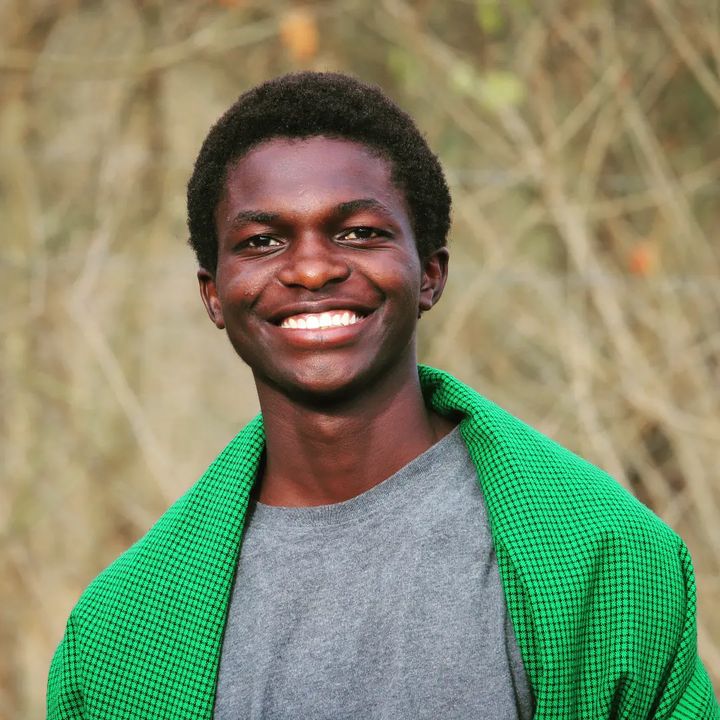
He was only twenty-seven, standing at the narrow threshold where life finally begins to feel real. Old enough to have tasted life and love, yet young enough to believe there was still time to live. I imagine him like myself: dreams forming shape, plans gaining courage. A wedding date quietly marked in hope. A car he would one day drive. Land he would not merely purchase but build upon, a place to grow old in. His parents, too, had just begun to watch their son become.
Then death arrived.
Uninvited.
Unannounced.
Unapologetic.
It did not knock. It did not explain itself. It simply took him and dragged him into its cold, final grasp. Death is not gentle. It is rude. It is violent in its silence. At times, I wish death were tangible, something we could see, confront and resist. Instead, it moves unseen and untouched, acting with a frightening final authority. Yet Scripture dares to ask: is death truly untouchable? Is it really final?
The Bible speaks of One who conquered death and of another who once held its power. Satan is described as having “the power of death,” (Hebrews 2:14) not because he created life or governs eternity, but because sin originated with him. Death is not a random tragedy; it is a wage. “The wages of sin is death” (Romans 6:23). Sin is the root. Death is the harvest. And since Satan is the author of sin, he becomes, by grim inheritance, the father of death. Paul captures it with devastating clarity: “The sting of death is sin” (1 Corinthians 15:56).
What wounds us most about death, the ache, the sense of finality, the unbearable absence, is not death itself but sin working through it. Sin arms death. Sin sharpens its sting. Sin gives death its voice.
This is why, from the dawn of humanity when sin entered the earth, God required sacrifice. Long before ritual, before religion, before law, sacrifice stood as a constant sermon: sin kills. Blood had to be shed because life had been violated. “Without the shedding of blood, there is no remission” (Hebrews 9:22). Every altar, every offering, every slain animal was a reminder that sin is not harmless; it is lethal. Death is not natural; it is abnormal.
Even now, every obituary, every siren, every funeral procession, every unsuccessful resuscitation declares the same message. Death is not merely an end; it is an announcement, a warning of the exceeding sinfulness of sin and yet a reminder, a call to look beyond the grave and see Jesus Christ, the only One who offers not survival but life, abundant and eternal (John 10:10). One day we will triumphantly exclaim, in a victory that is in Christ alone, “O death, where is your victory? O death, where is your sting?” (1 Corinthians 15:55).
Yet here lies the great contradiction of the human heart: we loathe death, but we tolerate sin. We mourn graves, but we make peace with the very thing that digs them. We curse death’s cruelty, yet entertain sin’s charm as though it were harmless. If we hated sin the way we hate death, many would be near the kingdom and ready to enter in. What if the tears we shed at funerals are outward expressions of the inward sorrow we ought to feel for sin? The wailing over lifeless bodies, a mirror of the mourning we should have over lifeless living souls. But while death horrifies us, sin comforts us, and that is the tragedy beneath the tragedy.
Dear reader, as this year draws to a close, let it not end casually. Let it end soberly. Reflect deeply. Of all the things you may know you have failed to achieve, all the dreams delayed, all the prayers unanswered, have you, in spite of all these, paused to thank God for life itself?
There is a quiet and unshakable comfort in knowing that in Christ, our lives are hidden safely in God, that no grave can erase what heaven has secured. And it becomes clear that among all life’s pursuits, success, legacy, fulfillment, the greatest question is not what we have built, but where we stand with Jesus.
Do we love righteousness and hate sin? Or do we merely fear death while flirting with what causes it?
As you step into the coming year, make the most consequential decision of your life.
Choose life.
Choose righteousness.
Choose Jesus.